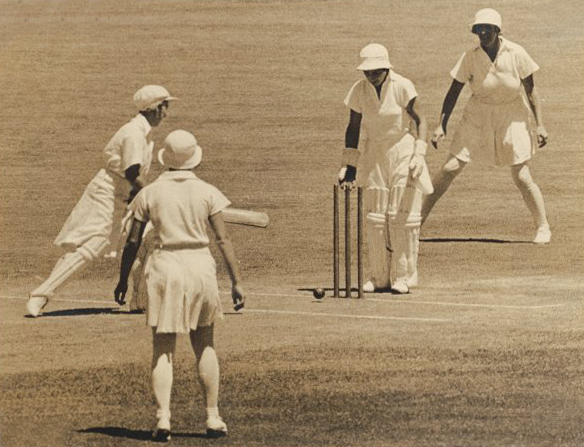
Women's Test cricket represents the pinnacle of the sport's longest format for female athletes, a true test of skill, endurance, and mental fortitude. While it shares the foundational principles of its male counterpart, there are distinct differences that shape the game, influencing everything from strategy to player performance. Understanding these nuances is crucial for appreciating the unique spectacle that is a women's cricket test match.
Historically, women's cricket has always carved its own path, sometimes in parallel, sometimes diverging from the men's game. The first recorded women's Test match took place in December 1934 between England and Australia in Brisbane – a three-day contest which England won. Since then, while the overall number of Tests remains comparatively low (around 149 matches to date), each fixture is a celebrated event, often generating immense excitement and showcasing incredible talent, such as Annabel Sutherland's recent dominance for Australia against India. These multi-day encounters, though fewer, play a vital role in the global cricketing calendar, offering a unique platform for female cricketers to display their prowess.
The Essence of Women's Test Cricket: A Brief Overview
At its heart, a women's cricket test match is a four-innings contest played over a maximum of four days, mirroring the fundamental structure of men's Test cricket as a contest between two teams of eleven players aiming for a decisive victory. Governed by the overarching Laws of Cricket, adapted and refined by the ICC's "Women's Test match playing conditions" document, the format demands exceptional skill and strategy. Unlike the shorter, more explosive One Day Internationals (ODIs) and Twenty20 Internationals (T20Is) that dominate the modern international women's calendar, Test cricket requires patience, resilience, and a deep understanding of the game's ebb and flow.
The rarity of these matches makes them particularly special. With the international schedule heavily weighted towards limited-overs formats, a women's cricket test is often a one-off event, adding immense pressure and prestige to every ball bowled and run scored. This scarcity, while sometimes seen as a challenge, also ensures that when these matches do occur, they capture significant attention, providing a platform for legends to be made and historic rivalries to unfold.
Key Distinctions: Playing Conditions and Equipment
While the spirit of the game remains consistent, the specific playing conditions and equipment in women's Test cricket feature several key distinctions from the men's game. These differences are not arbitrary but have evolved to best suit the athletes and the evolving dynamics of the sport.
Match Duration and Over Rates
- Typically Four Days: The most significant and noticeable difference is that women's Test matches are generally played over a maximum of four days, in contrast to the five-day standard for men's Tests. This shorter duration fundamentally impacts strategy, requiring teams to play with a greater sense of urgency and often leading to more decisive results.
- Higher Overs Per Hour: To compensate for the reduced duration, players in the women's game are expected to maintain a faster over rate. The target is 17 overs per hour, compared to 15 overs per hour in the men's game. This means that a full day's play in a women's cricket test should ideally encompass 100 overs, as opposed to 90 overs in a men's Test. This increased tempo encourages attacking play and maintains spectator engagement throughout the day.
The four-day format, combined with the faster over rate, often pushes teams towards more proactive declarations and bolder strategies to force a result. It reduces the chances of a draw purely due to time constraints, although draws remain a potential outcome alongside wins and ties.
Field Dimensions and Ball Specifications
- Smaller Field Dimensions: The boundaries in women's Test matches are typically set between 55 and 70 yards (approximately 50.29 and 64.01 meters) from the centre of the pitch. This is notably smaller than the 65 to 90 yards (approximately 59.44 to 82.30 meters) required for men's Tests. The smaller field size naturally encourages more boundaries, potentially leading to higher scoring rates and exciting run chases.
- Lighter and Smaller Ball: Women's Test cricket uses a ball that is specifically designed to be lighter and slightly smaller than the one used in the men's game. The Laws of Cricket stipulate that the women's ball should weigh between 4+15⁄16 and 5+5⁄16 ounces (139.98 and 150.61 grams), compared to the men's ball which is typically between 5.5 and 5.75 ounces (155.9 and 163 grams). This adjustment takes into account physiological differences, ensuring that bowlers can maintain pace and swing, and batters can clear the ropes with skill, enhancing the overall quality of play.
These equipment and field adjustments are not about making the game "easier" but rather about optimizing the playing conditions to showcase the athletes' abilities most effectively. They contribute to a distinct style of play that is both challenging and entertaining.
Umpiring and Technicalities
Beyond the core playing conditions, some minor technicalities surrounding umpiring protocols and certain administrative aspects may vary. However, for the most part, the fundamental rules governing dismissals, scoring, and general conduct are identical to the men's game. Any differences are typically subtle refinements made by the ICC to ensure the smooth and fair operation of a women's cricket test match within its specific context.
Why These Differences Matter: Impact on Strategy and Spectacle
The distinctions in playing conditions have a profound impact on how women's cricket test matches unfold, influencing strategic decisions, player development, and the overall viewing experience. The four-day duration, for instance, necessitates a more aggressive mindset. Teams often cannot afford to play for a draw and must actively seek opportunities to take 20 wickets, leading to more dynamic declarations and inventive bowling plans. This can result in thrilling finishes, often going down to the wire, as seen in recent encounters.
The smaller boundaries and lighter ball contribute to a style of batting that can be both powerful and precise. While big hits are still a significant part of the game, the conditions also favour nuanced stroke play and quick running between the wickets. Bowlers, too, adapt their tactics; spinners find ways to exploit turn and drift, while fast bowlers focus on accuracy and subtle variations rather than relying solely on raw pace, leveraging the lighter ball for movement. This creates a balanced contest between bat and ball that is engaging and unpredictable.
For players, adapting to these specific conditions is key. Training regimens focus not just on skill development but also on the specific demands of a four-day game with a lighter ball and smaller boundaries. It's a testament to the versatility and professionalism of modern female cricketers that they excel across various formats with their distinct requirements. The individual brilliance often shines through, as exemplified by performances like those highlighted in Annabel Sutherland Stars: Australia Dominates India in Women's Test, showcasing how players thrive within these unique conditions.
The Future Landscape of Women's Test Cricket
Despite the limited number of matches, the appetite for women's cricket test remains strong among players, pundits, and fans alike. Many advocate for an increase in the frequency of these multi-day contests, believing they are essential for the holistic development of players and for offering the ultimate challenge in cricket. The strategic depth and mental resilience required for Test cricket are unparalleled, providing a crucial proving ground for the sport's elite.
The debate around the future of women's Test cricket often balances the prestige and developmental benefits of the format against the commercial realities and popularity of shorter formats. However, the thrilling nature of recent Test matches, showcasing epic battles and individual heroics, undeniably makes a strong case for its continued and expanded presence. As the women's game continues its rapid professionalisation and growth, there's hope that more nations will embrace Test cricket, fostering new rivalries and creating more opportunities for this magnificent format to flourish. For deeper insights into the challenges and significance of this format, exploring The Enduring Challenge of Women's Test Cricket: Why It Matters offers valuable perspectives.
In conclusion, women's Test cricket, while sharing a common heritage with the men's game, possesses a unique identity shaped by its four-day duration, higher over rates, and specific equipment and field dimensions. These differences are not limitations but rather adaptations that enhance the spectacle, encouraging an exciting brand of cricket that demands both skill and strategic acumen. As the sport continues to evolve, understanding and appreciating these distinctions allows fans to fully engage with the drama, skill, and enduring appeal of a women's cricket test match.